
Introduction
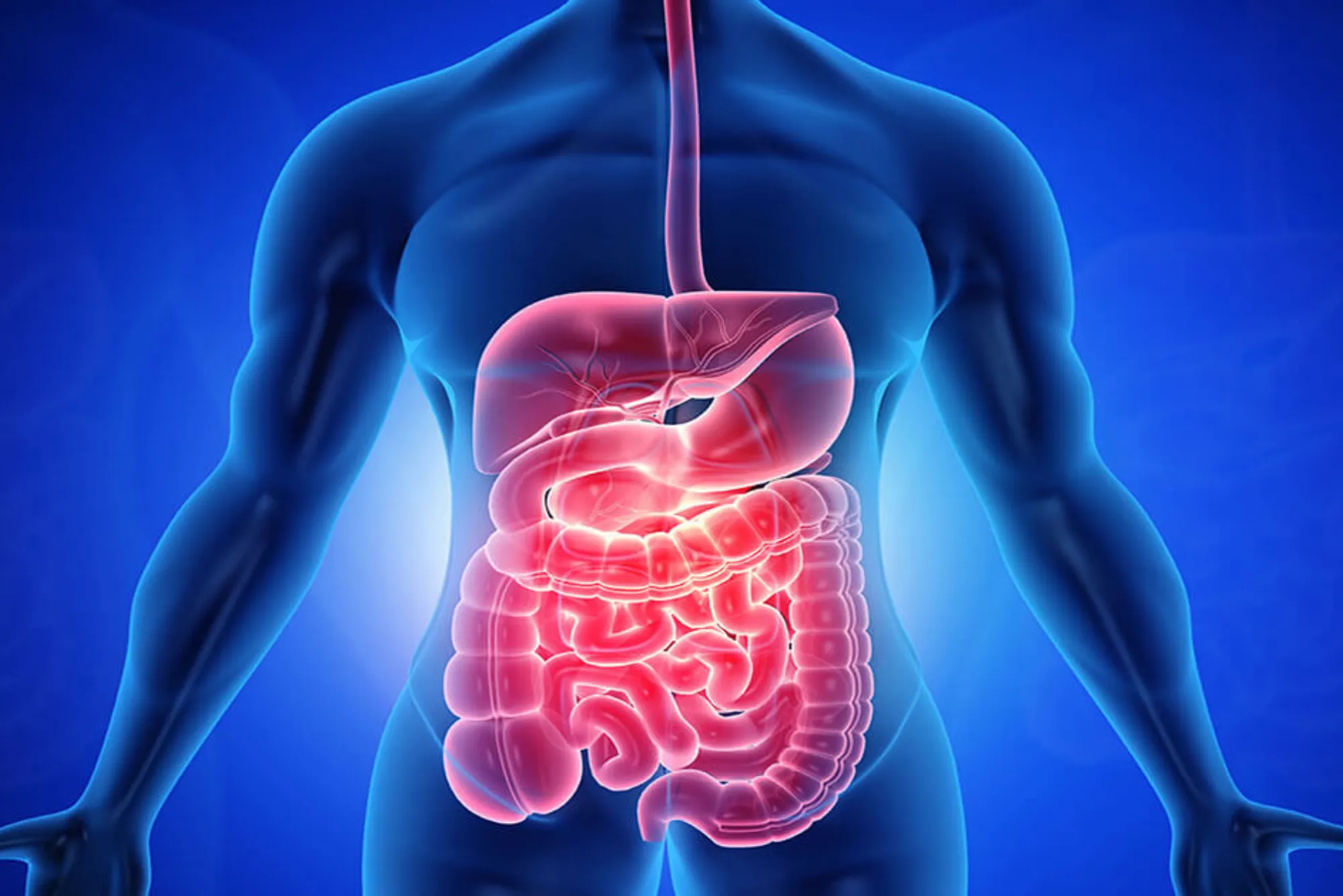
Grooming is a natural daily ritual for every feline. Cat tongues are covered with microscopic hooks called papillae. These tiny structures catch loose fur while your pet cleans itself. Most ingested hair passes smoothly through the digestive tract. However, some hair accumulates inside the stomach over time.
When hair remains in the stomach, it forms a tight mass. The cat eventually vomits this cylinder of fur to clear the blockage. While occasional hairballs are normal, frequent hairballs signal a problem. Understanding hairball remedies for cats helps you choose safe solutions. Proper care reduces discomfort and protects your pet from severe intestinal blockages.
The Hidden Risks of Using Vaseline for Hairballs
Pet owners historically used Petroleum Jelly or Vaseline as a home remedy. Vaseline acts as a mechanical lubricant inside the digestive tract. It coats ingested fur and helps hair slide through the intestines easily. Many owners consider it a fast and budget-friendly solution for occasional hairballs.
Despite its popularity, petroleum jelly presents significant health risks for cats. Vaseline is a byproduct of crude oil refining. Cats cannot digest mineral oils or petroleum jelly properly. Over time, regular use coats the lining of the digestive tract. This coating hinders the absorption of vital nutrients and essential vitamins.
How Malt Paste Supports Natural Hairball Elimination
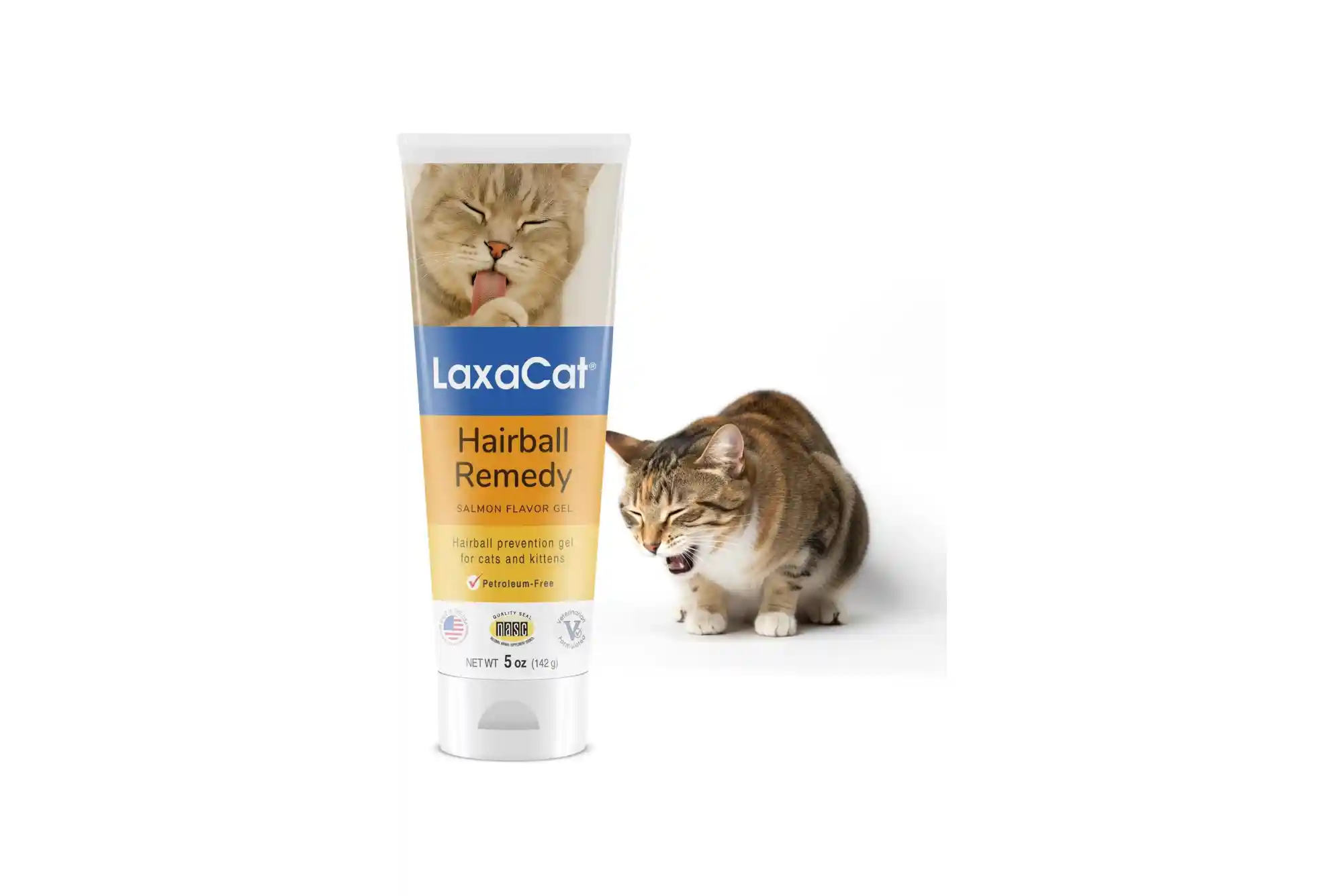
Malt paste is a popular commercial remedy designed specifically for felines. It combines malt extract, natural oils, and vegetable fats into a tasty gel. Cats usually love the flavor, making administration easy for pet owners. You can offer malt paste directly from your finger or place a small dab on their paw.
The paste works by lubricating swallowed fur within the stomach and intestines. The fats coat the hair fibers, preventing them from tangling together. This allows the ingested hair to pass naturally through feces without causing vomiting. Many commercial formulations also contain added vitamins to support overall feline health.

The Role of High-Fiber Wet Diets in Digestive Health
Dietary adjustments offer a long-term solution for frequent hairball issues. High-fiber wet diets work naturally by boosting digestive motility. Added dietary fiber binds loose fur to moisture-rich food inside the stomach. This mixture moves smoothly through the entire digestive tract for natural elimination.
Wet food delivers essential hydration that keeps the intestinal tract moving efficiently. Proper moisture levels prevent dry, stubborn blockages from forming in the bowel. Specialized hairball control diets often feature insoluble fiber like cellulose and psyllium husk. These natural ingredients expand gently to sweep swallowed fur along the digestive system.
Comparing the Top Hairball Remedies Side by Side
Evaluating remedies helps you decide on the safest option for your cat. Vaseline is cheap and accessible, but its potential health risks outweigh the benefits. Malt paste offers convenience, safety, and excellent palatability for immediate hairball management. High-fiber wet diets provide the most natural, long-term preventative care for sensitive digestive systems.
Veterinarians generally recommend combining malt paste with a high-fiber wet diet. Using malt paste during heavy shedding periods gives quick relief. Maintaining a high-fiber wet food diet ensures consistent daily bowel regularities. Combining these methods minimizes hairball formation without compromising nutrient absorption or digestive wellness.
Practical Tips to Prevent Excessive Hairball Formation
Preventing hairballs requires more than relying solely on dietary remedies. Regular grooming is your first line of defense against hairball accumulation. Brushing your cat daily removes loose fur before your pet swallows it. Long-haired breeds benefit significantly from dedicated daily grooming sessions using specialized slicker brushes.
Hydration plays a critical role in smooth intestinal transit and overall health. Encourage drinking by placing multiple fresh water bowls around your home. Cat water fountains are excellent tools because felines prefer drinking running water. Adequate hydration keeps digestion moving and reduces hair compaction inside the stomach.
When to Consult a Veterinarian for Hairball Issues
Occasional hairballs are common, but frequent retching requires medical attention. Frequent coughing without producing a hairball indicates a potential intestinal blockage. Blocked hairballs prevent food from passing and can become life-threatening emergencies. Prompt veterinary treatment ensures your cat receives proper diagnostics and relief.
Watch closely for symptoms like persistent lethargy, loss of appetite, or sudden weight loss. Constipation, hard abdomen, or unusual changes in bowel movements also signal digestive distress. Never force home remedies if your cat shows signs of acute distress or pain.
Frequently Asked Questions About Cat Hairballs
How often should a cat throw up hairballs?
Passing a hairball once every one to two weeks is considered normal for most cats. Short-haired breeds may only produce hairballs a few times each year. Long-haired breeds may throw up hairballs more frequently during peak shedding seasons.
If your cat vomits hairballs multiple times a week, consult your veterinarian for advice. Chronic hairball vomiting can indicate underlying motility issues or excessive grooming due to skin irritations.
Is Vaseline safe for cats if given in tiny amounts?
Even tiny amounts of Vaseline carry health risks for your feline companion. Petroleum jelly cannot be digested and coats the intestinal lining, impeding vital nutrient absorption.
There is also a severe risk of accidental inhalation into the lungs during administration. Safe alternatives like malt paste provide much better protection without these harmful risks.
Can high-fiber food cause stomach upset in cats?
Introducing high-fiber food too quickly can cause temporary gas, bloating, or loose stools. A sudden shift in diet disturbs the delicate microbial balance inside your cat’s gut.
To prevent digestive upset, transition to high-fiber wet food slowly over seven to ten days. Mix increasing amounts of new food with your cat’s current diet every day for a smooth transition.
How long does malt paste take to work?
Malt paste usually begins working within 24 to 48 hours after ingestion. It lubricates hairballs in the digestive tract, allowing them to pass naturally in the stool.
For active hairball problems, administer the paste daily for three consecutive days. Maintain a routine dose two to three times weekly for ongoing preventative care.
Conclusion
Managing hairballs effectively requires understanding the strengths and risks of available remedies. While Vaseline was once popular, its potential health risks make it unsafe for modern pet care. Malt paste provides a safe, palatable solution for short-term hairball relief and heavy shedding periods. High-fiber wet diets offer the most effective long-term preventative care by supporting natural digestion.