
Introduction
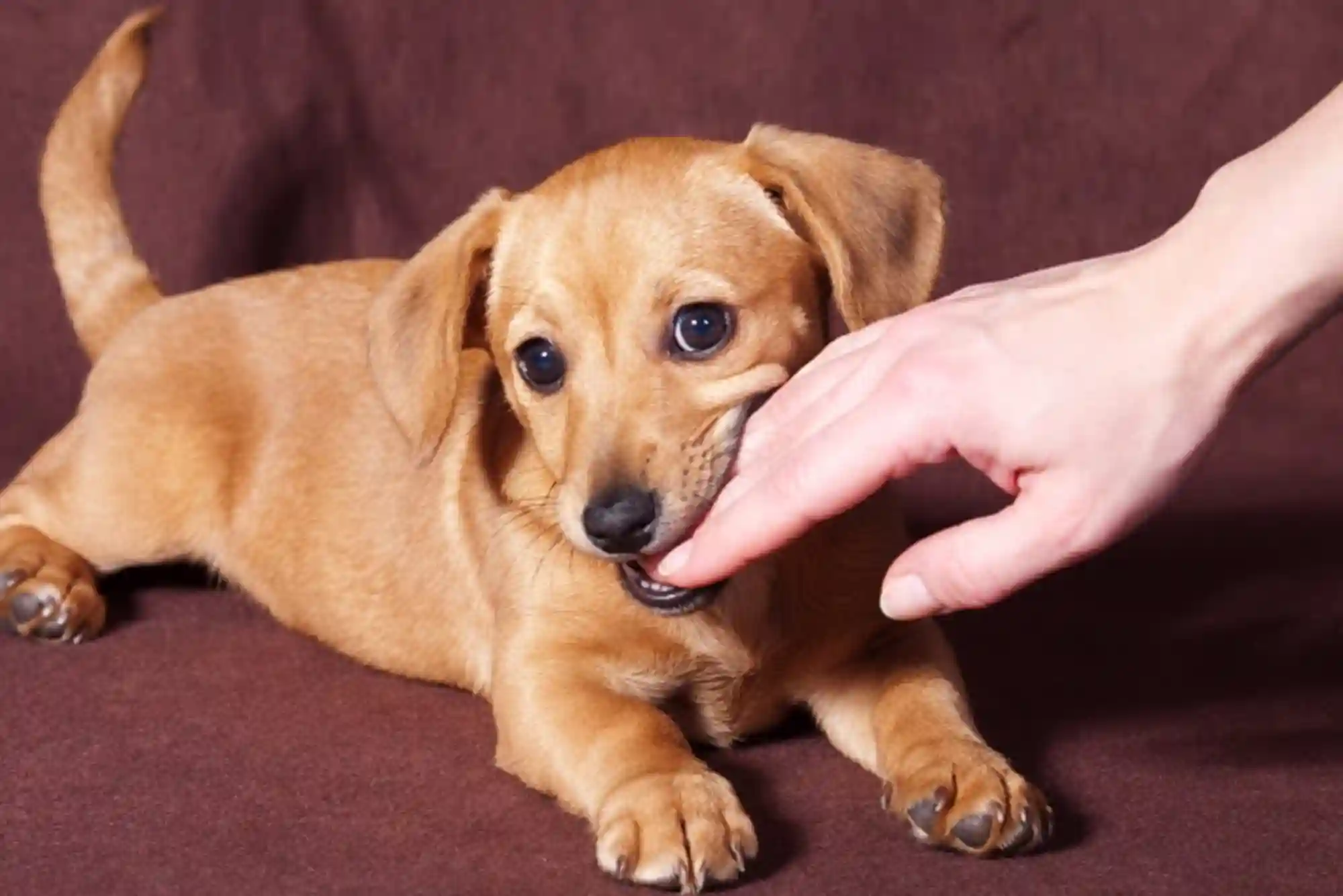
Puppy biting can turn a peaceful walk into a frustrating experience. Many puppies suddenly grab ankles, bite pant legs, or chase moving feet. This behavior often appears during excitement, playfulness, or overstimulation. Although it can feel challenging, it is usually manageable with consistent training.
Understanding how to stop a puppy from biting ankles and pant legs during walks starts with identifying the underlying cause. Puppies explore their surroundings through their mouths. They also practice natural chasing behaviors and learn appropriate boundaries through experience.
Fortunately, you can teach your puppy to walk calmly without biting your clothing. Positive reinforcement, suitable play, and predictable responses can make a significant difference. With patience, your puppy can learn that walking beside you is more rewarding than grabbing your trousers.
Why Do Puppies Bite Ankles and Pant Legs During Walks?
Before changing this behavior, understand why it happens. Puppies rarely bite clothing to deliberately misbehave. Their actions often reflect normal development, excitement, or unmet needs.
Natural Herding and Chasing Instincts
Moving feet and swinging trousers can trigger a puppy’s chasing instincts. Some breeds, particularly herding dogs, naturally respond to movement by chasing or nipping. When you walk faster, your puppy might become even more interested in your ankles.
Teething and Oral Exploration
Puppies experience teething discomfort as their adult teeth develop. Chewing helps them explore textures and relieve discomfort. Unfortunately, pant legs can become convenient targets when appropriate chew toys are unavailable.

Overexcitement and Frustration
Some puppies bite when they become overly excited during walks. Others become frustrated when the leash restricts their movement. These emotions can lead to jumping, grabbing fabric, and nipping at moving feet.
Tiredness and Overstimulation
Young puppies have limited attention spans. Long walks, busy environments, and excessive activity can overwhelm them. Consequently, a tired puppy may suddenly start biting even after walking calmly for several minutes.
How to Stop a Puppy from Biting Ankles and Pant Legs During Walks
Teaching better walking habits requires consistency rather than punishment. Your puppy needs to understand which behaviors earn attention and rewards. The following techniques help establish calmer walking patterns.
Stop Moving When Your Puppy Starts Biting
When your puppy grabs your trousers, stop walking immediately. Keep your body calm and avoid pulling your leg away repeatedly. Fast movements can make your clothing more exciting.
Wait briefly for your puppy to release the fabric. Then redirect attention toward a toy or reward calm behavior. Once your puppy settles, continue walking.
If biting continues, calmly move behind a barrier or create distance when safe. Avoid dragging your puppy or turning the encounter into a chasing game. Consistent responses teach your puppy that biting does not make the walk more exciting.
Redirect Biting Toward Appropriate Toys
Redirection gives your puppy an acceptable alternative. Carry a suitable tug toy or soft chew toy during walks. When your puppy approaches your ankles with an open mouth, offer the toy before biting begins.
Praise your puppy when they engage with the toy instead of your clothing. Keep the toy interesting, but avoid encouraging frantic jumping around your legs.
Over time, your puppy can learn to seek toys during exciting moments. This approach is especially useful for puppies experiencing teething discomfort or strong play instincts.
Reward Calm Walking Behavior
Positive reinforcement helps puppies understand what you want them to do. Carry small, puppy-safe treats during training sessions. Reward your puppy whenever they walk beside you without grabbing your trousers.
Begin by rewarding a few calm steps. Gradually increase the distance between rewards as your puppy improves. Use a consistent verbal marker, such as “yes,” to identify the desired behavior.
Remember that rewarding calm behavior before biting starts is often more effective than reacting afterward. Frequent practice helps your puppy associate walking politely with positive experiences.
Teach a Reliable Attention Cue
An attention cue can interrupt the cycle of chasing and biting. Choose a simple word, such as “look,” and practice it indoors first.
Say the cue once, then reward your puppy for looking toward you. Repeat the exercise in a quiet outdoor area before introducing busier surroundings.
During walks, use the cue when your puppy notices your moving feet. Reward attention before excitement becomes difficult to manage. If your puppy cannot respond, increase the distance from distractions and make the exercise easier.
Adjust Walk Length and Activity
Sometimes the best solution is reducing stimulation. If your puppy repeatedly bites toward the end of a walk, tiredness or overstimulation may be responsible.
Choose shorter outings appropriate for your puppy’s age, breed, health, and individual needs. Allow regular opportunities for sniffing and gentle exploration. Avoid assuming that more exercise always produces better behavior.
Provide adequate rest between activities. Puppies need substantial sleep, and insufficient rest can contribute to irritability and impulsive behavior.
What Should You Do When Your Puppy Grabs Your Pants?
Your response during an incident can influence whether the behavior continues. Stay calm and avoid turning the situation into a struggle.
When your puppy grabs your pant leg, stop moving and keep your hands away from the puppy’s mouth. Avoid shouting, kicking, or forcefully pulling the fabric. These reactions can increase excitement or cause accidental injury.
Offer a toy when your puppy releases the clothing. If the puppy remains highly aroused, calmly end the walking activity and allow time to settle somewhere safe.
For puppies that repeatedly become overwhelmed, practice shorter sessions in quieter locations. Consistency across family members also matters. Everyone should respond similarly to ankle biting.
If the behavior becomes intense or difficult to interrupt, consult a qualified, reward-based dog trainer. Seek veterinary advice if the biting begins suddenly or accompanies signs of pain or unusual behavior.
Common Mistakes That Make Puppy Biting Worse
Certain reactions unintentionally reinforce ankle biting. Running away, waving your legs, or repeatedly tugging at clothing can make the interaction resemble an exciting game.
Punishment is another common mistake. Hitting, yelling, or using harsh leash corrections can increase fear and frustration. These methods may suppress warning signals without teaching an appropriate alternative.
Avoid expecting immediate results after one training session. Puppies learn through repetition, and progress often includes occasional setbacks.
Instead, prepare for predictable situations. Carry rewards, identify quiet walking routes, and interrupt early signs of overexcitement. Consistent prevention and reinforcement create better opportunities for success.
How Long Does It Take to Stop Puppy Ankle Biting?
The timeline depends on your puppy’s age, temperament, environment, and training history. Some puppies improve within days of consistent practice. Others need several weeks or longer to develop reliable walking habits.
Focus on gradual progress rather than expecting perfection. Notice whether biting happens less frequently, lasts for shorter periods, or becomes easier to interrupt.
Keep training sessions manageable and celebrate small improvements. If the behavior remains severe despite consistent training, professional guidance can help identify additional triggers.
Frequently Asked Questions
Why does my puppy bite my ankles when I walk?
Puppies often bite ankles because movement triggers chasing and play instincts. Teething, excitement, frustration, and tiredness can also contribute. Identifying the trigger helps you choose the most effective training approach.
How do I stop my puppy from biting my pants on walks?
Stop moving when biting begins, avoid pulling your clothing away, and redirect your puppy toward a suitable toy. Reward calm walking and practice in quieter environments. Consistent positive reinforcement helps your puppy learn an appropriate alternative.
Should I ignore my puppy when it bites my legs?
Briefly removing movement and attention can help reduce play-related biting. However, simply ignoring intense biting may not work for every puppy. Calmly redirect your puppy, reward appropriate behavior, and create distance when necessary.
Is ankle biting normal in puppies?
Yes, ankle biting is relatively common during puppyhood. It can reflect normal play, exploration, herding instincts, or overstimulation. Nevertheless, persistent or intense biting deserves attention and appropriate training.
Do puppies grow out of biting pant legs?
Many puppies become less mouthy as they mature. However, waiting alone may not resolve the behavior. Consistent training, appropriate chewing opportunities, adequate rest, and positive reinforcement help establish better habits.
Conclusion
Learning how to stop a puppy from biting ankles and pant legs during walks takes patience, consistency, and an understanding of canine behavior. Puppies need clear guidance to replace chasing and grabbing with calmer walking habits.