
Introduction
Fireworks and thunderstorms can turn a normally relaxed dog into a shaking, panting, restless pet. Some dogs hide under furniture, bark continuously, try to escape, or refuse food when they hear sudden bangs. Learning how to desensitize dogs to fireworks and thunderstorms can make these events much easier to manage. The goal is not to force a dog to tolerate frightening sounds, but to gradually change the emotional response through controlled exposure and positive experiences.
Veterinary behavior guidance commonly recommends systematic desensitization and counterconditioning for noise fears. The process starts with sounds at an intensity that does not frighten the dog, followed by rewards for calm behavior. Over time, the sound can be increased gradually.
Sound therapy can be combined with environmental changes, calming routines, and anxiety wraps such as Thundershirts. However, every dog responds differently, and severe noise phobia may require help from a veterinarian or qualified behavior professional.
Why Dogs Become Afraid of Fireworks and Thunderstorms
Fireworks and thunderstorms are challenging because they contain unpredictable sounds and other sensory triggers. A firework may produce a sudden explosion followed by another bang several seconds later. Thunder can rumble, crack, and change in intensity without warning.
Dogs may also react to lightning, heavy rain, vibrations, wind, and other changes associated with storms. This means thunderstorm fear is not always simply a reaction to the sound itself.
Some dogs develop noise sensitivity after a frightening experience. Others may become increasingly reactive after repeated exposure to loud sounds. Fear can also become stronger when a dog repeatedly experiences a trigger at an overwhelming intensity.

Common signs include trembling, panting, pacing, barking, hiding, attempting to escape, excessive drooling, refusing food, or becoming unusually clingy. If your dog tries to break through doors or windows, the situation can become a genuine safety concern.
How to Desensitize Dogs to Fireworks and Thunderstorms
The foundation of how to desensitize dogs to fireworks and thunderstorms is gradual exposure. Your dog should hear the scary sound at a level low enough to remain relaxed.
This is different from simply playing fireworks or thunder recordings loudly until the dog “gets used to it.” Excessive exposure can increase fear instead of reducing it. Veterinary behavior sources specifically warn that incorrect exposure can make noise sensitivity worse.
Start When Your Dog Is Calm
Begin training during a quiet period when there are no actual storms or fireworks nearby. Your dog should already have a comfortable place where they can settle.
Practice simple behaviors such as lying on a mat, relaxing on a bed, or looking at you for a treat. The objective is to teach the dog that calm behavior leads to something rewarding.
Once your dog can relax reliably, introduce a recording of thunder or fireworks at a barely audible volume.
Keep the Sound Below Your Dog’s Fear Threshold
The volume is one of the most important parts of sound therapy.
Your dog should notice the sound without becoming frightened. Watch their body language carefully. Panting, pacing, hiding, trying to leave, trembling, or refusing a favorite treat can indicate that the exposure is too intense.
The American Kennel Club describes this as keeping the dog “below threshold,” because learning becomes much harder when the animal is overwhelmed.
If your dog reacts, lower the volume immediately or stop the session. Do not try to push through the reaction.
Pair the Sound With Something Positive
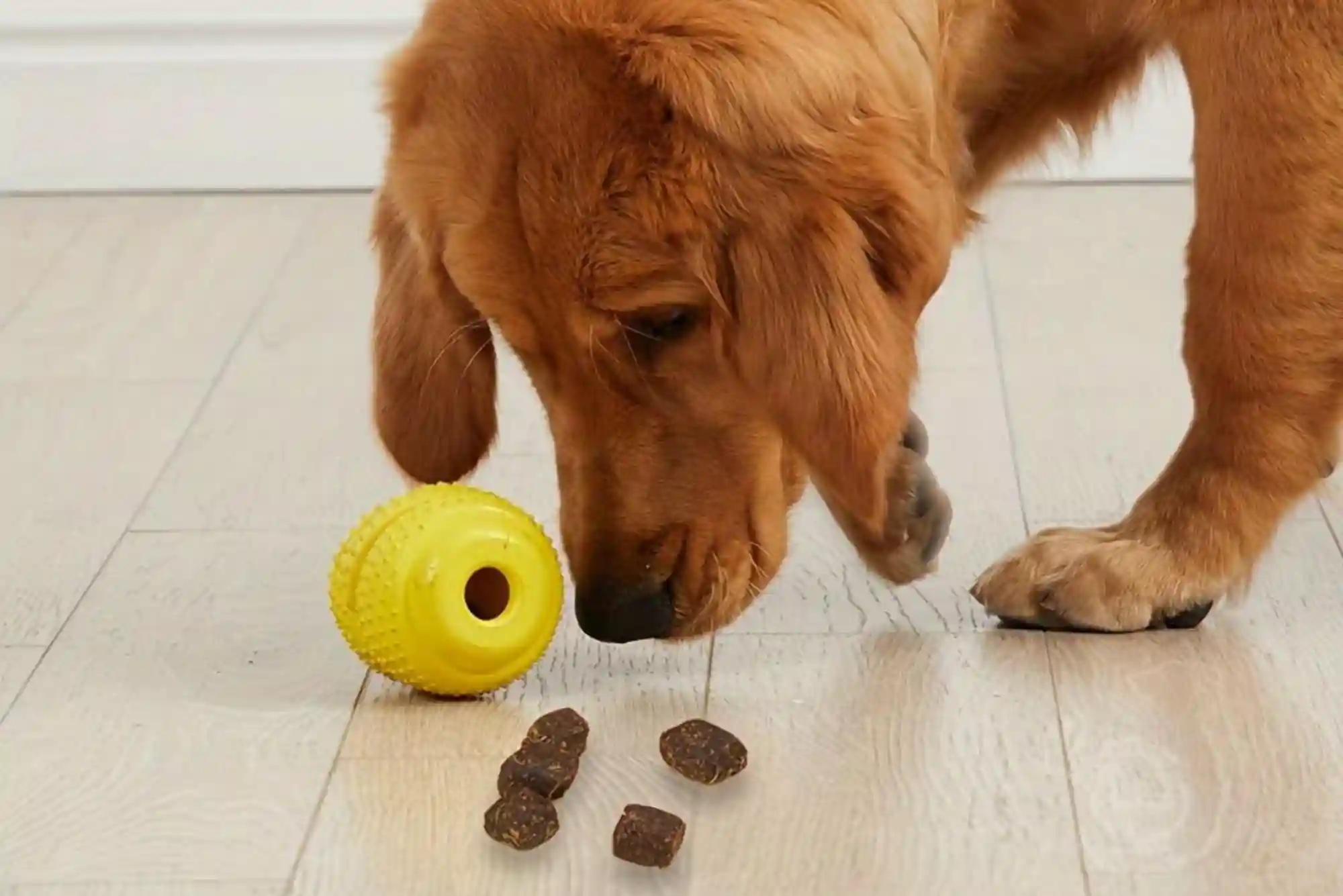
Once the sound is playing quietly, offer something your dog genuinely enjoys. This could be small food rewards, a favorite toy, gentle interaction, or a simple training game.
The idea is to create a new association:
Scary sound → good experience → calm behavior.
Over repeated sessions, your dog may begin to expect something pleasant when the sound occurs.
Increase Intensity Very Slowly
Do not increase the volume every few seconds just because your dog appears comfortable. Desensitization can take weeks, and some dogs need a much slower pace.
Veterinary guidance recommends increasing exposure only while the dog remains relaxed. If the dog becomes distressed, return to a lower intensity.
A successful session is not necessarily one where you reach maximum volume. A successful session is one where your dog remains comfortable and finishes the exercise calmly.
Using Sound Therapy for Fireworks and Thunderstorms
Sound therapy is useful because it gives you control over the intensity of the trigger. You can use recordings of fireworks, thunder, rain, or other noises associated with the fear.
Choose a good-quality recording and play it through a speaker. Start at a very low volume while your dog is relaxed.
The sound can become part of a normal activity. For example, your dog might receive treats while lying on a mat as the recording plays quietly in the background.
Veterinary guidance suggests that structured sessions can gradually increase sound intensity, provided the dog stays relaxed. Regular practice is also important because inconsistent training can allow progress to fade.
Real storms are harder to reproduce than recordings. Thunderstorms contain multiple triggers, including lightning, rain, wind, pressure changes, and unpredictable sounds. Therefore, even a dog that handles recordings well may still react to an actual storm.
Create a Safe Space Before the Noise Starts
A safe space should be introduced before your dog is frightened.
Choose an interior room or another area where outside sounds and flashes are naturally reduced. Close windows and curtains when fireworks or storms are expected. Comfortable bedding, familiar toys, and favorite food puzzles can make the area more appealing.
Do not wait until your dog is already panicking to introduce the space. Let your dog use it during ordinary, peaceful days so it becomes familiar.
VCA recommends creating a comfortable location where the dog can relax and then using that location during controlled training.
Background sound can also help. A fan, television, radio, white noise, or suitable music may reduce how noticeable outdoor noises are. The objective is not to completely overpower the fireworks or thunder, but to make sudden sounds less prominent.
How Thundershirts Can Help Dogs
A Thundershirt is an anxiety wrap designed to provide gentle, consistent pressure around a dog’s body. Similar anxiety wraps are sometimes used for dogs that become nervous during thunderstorms, fireworks, travel, or other stressful situations.
Some dogs appear more settled when wearing a pressure wrap. Veterinary sources recognize anxiety wraps as a possible supportive tool, although the evidence for their effectiveness is limited and individual responses vary.
A Thundershirt should therefore be viewed as one part of a broader strategy rather than a guaranteed treatment.
Introduce the Thundershirt Before Fireworks Night
Do not put a new anxiety wrap on your dog for the first time when fireworks are already exploding outside.
Instead, introduce it during a calm period. Allow your dog to investigate it and reward relaxed behavior. Put it on for a short period while offering treats or doing a favorite activity.
Gradually increase the amount of time your dog wears it if they remain comfortable.
Check the Fit Carefully
The wrap should provide gentle pressure without restricting movement or breathing. Watch your dog while wearing it.
If your dog appears uncomfortable, repeatedly tries to remove it, becomes unusually restless, or shows other concerning behavior, take it off and reassess the fit or discuss alternatives with your veterinarian.
What to Do During an Actual Fireworks Display
Desensitization is a long-term training process. It does not mean your dog will automatically be calm during the next fireworks display.
On the day of the event, focus on reducing exposure and maintaining safety.
Keep your dog indoors, close windows and doors, and secure potential escape routes. Curtains can reduce flashes from fireworks and lightning. Background sound can help mask sudden outdoor noises.
If your dog is comfortable eating, offer a favorite food toy or long-lasting chew. Never force food into the dog’s mouth. Severe fear can suppress appetite, and refusing food may indicate that the dog is already too distressed.
Most importantly, never punish barking, hiding, shaking, or other fear-related behavior. Punishment can increase the dog’s fear and make future reactions worse.
Common Mistakes When Desensitizing a Dog
One of the biggest mistakes is increasing the sound too quickly. Desensitization depends on keeping exposure manageable.
Another mistake is practicing only once or twice before fireworks season. Behavioral change requires repetition. Veterinary guidance notes that regular sessions can be important for maintaining progress.
It is also unhelpful to force a frightened dog toward the sound or prevent them from moving away when they are overwhelmed. Training should give the dog opportunities to remain comfortable rather than trapping them with a trigger.
Finally, avoid assuming that every calming product works for every dog. A Thundershirt, background music, pheromone product, or other aid may help one dog while having little effect on another.
When to Contact a Veterinarian
Mild noise sensitivity can sometimes be managed with environmental changes and structured behavior training. Severe phobias are different.
Speak with your veterinarian if your dog panics intensely, injures themselves trying to escape, destroys doors or windows, cannot settle for hours, repeatedly refuses food, or shows progressively worse reactions.
Some dogs need a comprehensive treatment plan involving behavior modification and veterinary-prescribed medication. Medication should only be used under veterinary guidance because the appropriate choice and timing depend on the individual dog.
A qualified veterinary behaviorist or experienced positive-reinforcement trainer can also help if you are struggling to identify the correct exposure level.
How Long Does Dog Desensitization Take?
There is no universal timeline.
Some dogs show noticeable improvement after several weeks of consistent training, while dogs with established phobias may need months of carefully controlled work. VCA notes that counterconditioning and desensitization can take several weeks and require ongoing reinforcement.
Think in terms of gradual progress rather than a deadline. If your dog remains calm at a particular volume for several sessions, that is useful progress even if you have not reached realistic storm or fireworks volume.
The ultimate goal is not simply tolerance. You want your dog to learn that the sound predicts safety, rewards, and a familiar routine rather than danger.
FAQs
How do I desensitize my dog to fireworks?
Start with a fireworks recording at a very low volume while your dog is relaxed. Pair the sound with treats, play, or another enjoyable activity. Increase the volume gradually only when your dog remains comfortable. If fear appears, reduce the intensity and continue more slowly.
How do I desensitize my dog to thunderstorms?
Use controlled thunder recordings during calm periods. Begin at barely audible volume and reward relaxed behavior. Increase the intensity gradually over multiple sessions. Remember that real thunderstorms involve more than sound, so some dogs may still need additional support during actual storms.
How can I help my dog with firework anxiety?
Create a secure indoor safe space, close windows and curtains, use background noise, and offer enrichment if your dog is willing to participate. Long-term, gradual sound desensitization and counterconditioning can help change the emotional response to fireworks.
Do Thundershirts really work for dogs?
Thundershirts and similar anxiety wraps may help some dogs settle during stressful events. However, veterinary sources note that evidence for anxiety wraps is limited, so they should be considered a supportive tool rather than a guaranteed solution.
What is the best way to calm a dog during a thunderstorm?
Give your dog access to a familiar safe area away from windows, reduce outside noise with music or white noise, and allow them to choose where they feel safest. If your dog has severe storm phobia, speak with a veterinarian about a complete management and treatment plan.
Can I train my dog to stop being afraid of loud noises?
Many dogs can improve through systematic desensitization and counterconditioning. The training needs to be gradual, consistent, and conducted below the dog’s fear threshold. Severe cases may require professional behavioral support.
Learning how to desensitize dogs to fireworks and thunderstorms is primarily about patience, timing, and controlled exposure. Sound therapy can help your dog develop a more positive association with frightening noises, while a safe space, background sound, enrichment, and an anxiety wrap such as a Thundershirt can provide additional support.