
Introduction
Receiving an advanced diagnosis of kidney disease in your cat can feel overwhelming. Feline Chronic Kidney Disease (CKD) Stage 3 & 4: Subcutaneous Fluids and Phosphorus Binders represent the core supportive therapies that help manage advanced kidney decline. As functional kidney tissue declines, cats lose their ability to concentrate urine and clear toxic metabolic waste from their bloodstream.
Understanding how to administer subcutaneous fluids and phosphorus binders effectively empowers cat parents to slow disease progression. With proper home care, thoughtful monitoring, and close veterinary guidance, cats in advanced stages of kidney disease can still maintain a comfortable quality of life.
Understanding Advanced Feline Chronic Kidney Disease (CKD) Stage 3 & 4
Veterinarians categorize feline kidney disease into four stages using guidelines established by the International Renal Interest Society (IRIS). Stages 3 and 4 represent moderate to severe loss of functional kidney tissue. By Stage 3, a cat has lost roughly 75% or more of its kidney function, leading to significant blood waste buildup.
Cats in Stage 3 and Stage 4 suffer from persistent elevation of blood urea nitrogen (BUN) and creatinine. Because their kidneys can no longer conserve water efficiently, these cats experience chronic dehydration, decreased appetite, nausea, weight loss, and severe lethargy. Addressing fluid loss and mineral imbalances becomes essential to keeping your pet comfortable.
The Role of Subcutaneous Fluids in Managing Advanced Feline CKD
Subcutaneous fluid therapy involves delivering sterile fluid under the cat’s skin, where it gradually absorbs into the bloodstream. Because kidney failure forces cats to produce large volumes of dilute urine, oral drinking alone rarely keeps up with fluid loss. Subcutaneous hydration helps restore circulating volume and supports remaining kidney function.
Flushing the body with extra fluids helps dilute toxins like creatinine and BUN. This flushing action, often called diuresis, directly reduces the feelings of nausea and malaise that prevent sick cats from eating. Regular hydration therapy also prevents dangerous episodes of acute dehydration that worsen kidney damage.

How to Administer Subcutaneous Fluids at Home
Administering fluids at home sounds intimidating, but most cat owners quickly master the routine. You will need a sterile fluid bag (typically Lactated Ringer’s Solution), an infusion drip set, and fresh needles recommended by your vet. Warming the fluid bag in a warm water bath makes the process far more comfortable for your cat.
Place your cat in a quiet, cozy spot where they feel safe. Gently pinch the loose skin along the shoulder blades to create a small skin tent. Insert the needle smoothly at the base of the tent, parallel to the spine, and open the flow valve. Deliver the prescribed volume, remove the needle, and apply gentle pressure for a few seconds.
Common Subcutaneous Fluid Guidelines and Pitfalls
Veterinarians tailor fluid dosages based on body weight, heart health, and dehydration levels. Most Stage 3 and 4 cats require anywhere from 100 ml to 150 ml per session, administered daily or every few days. Never adjust fluid amounts without explicit instructions from your veterinary team.
Over-hydration presents a serious medical risk, particularly if your cat has an underlying heart condition. Watch closely for signs like rapid breathing, coughing, clear nasal discharge, or sudden lethargy. If you notice any of these symptoms, pause fluid administration immediately and contact your veterinarian.
Why Phosphorus Control Matters in Feline CKD Stage 3 & 4
Healthy kidneys filter excess phosphorus out of the bloodstream and eliminate it in urine. In advanced stages of feline kidney disease, failing kidneys can no longer clear this mineral efficiently, causing hyperphosphatemia (high blood phosphorus). High phosphorus levels cause severe nausea, bone pain, weakness, and rapid kidney damage.
Controlling phosphorus is one of the most effective ways to slow disease progression and prolong life expectancy. When blood phosphorus drops back toward normal levels, cats experience a noticeable boost in appetite and overall vitality. Dietary management combined with phosphorus binders serves as the gold standard approach.
What Are Phosphorus Binders and How Do They Work?
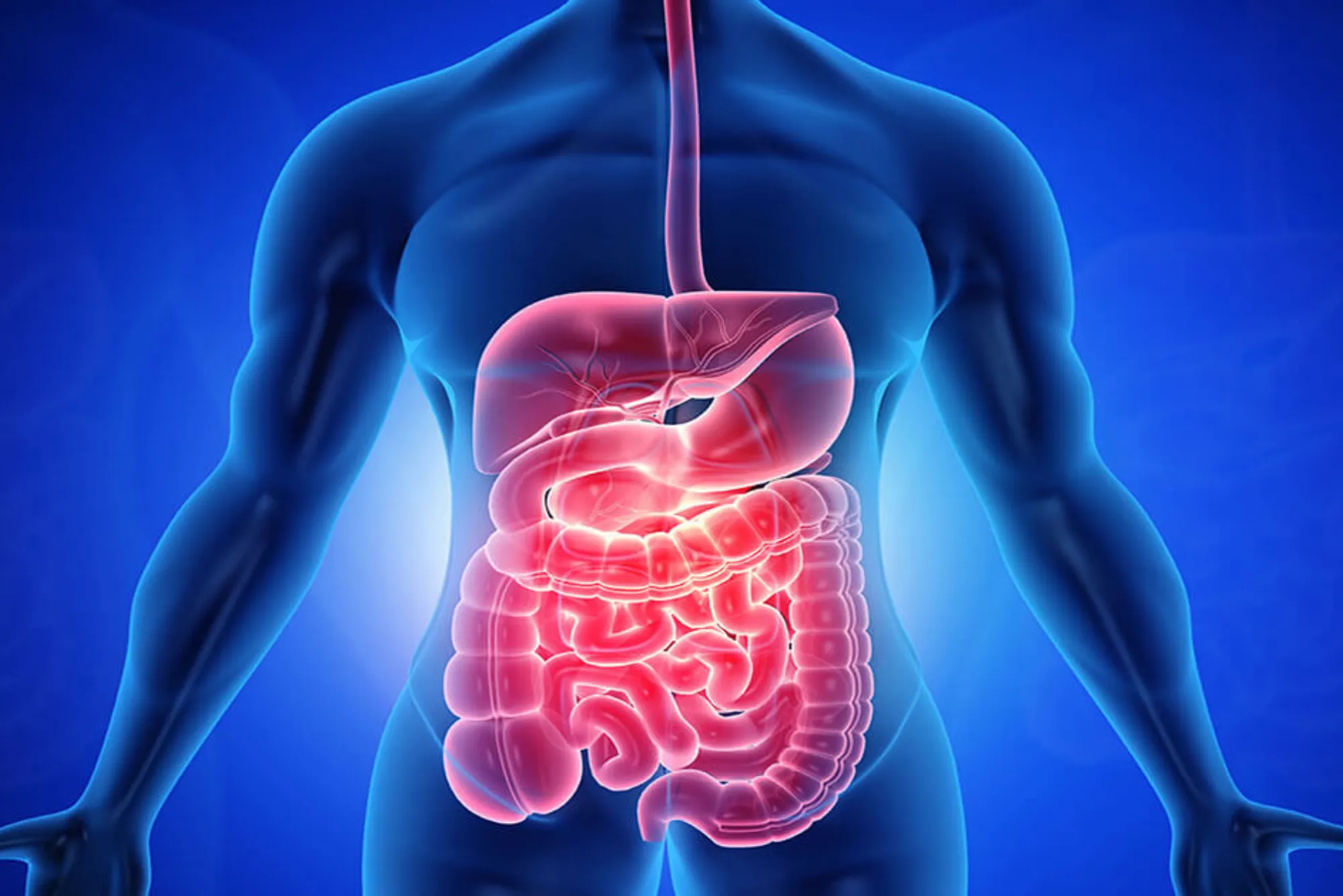
Phosphorus binders are specialized oral medications or powder supplements mixed directly into food. They act like magnets inside the digestive tract, binding to phosphorus present in food before the body can absorb it into the bloodstream. The bound phosphorus passes safely through the digestive system and exits via stool.
Common binders include calcium-based compounds (like calcium carbonate), aluminum-based binders (like aluminum hydroxide), and non-calcium, non-aluminum options like sevelamer or lanthanum carbonate. Your veterinarian will select the specific binder based on your cat’s current blood chemistry and calcium levels.
How to Administer Phosphorus Binders Effectively
Timing is crucial when giving phosphorus binders to your cat. Binders must mix thoroughly with food inside the stomach during digestion to trap dietary phosphorus efficiently. Giving a binder on an empty stomach drastically reduces its effectiveness.
Mix powdered binders into wet food, broth, or liquid treats to ensure full consumption. If your cat eats small meals throughout the day, divide the daily binder dose proportionally across those meals. Always start with small doses to help your cat adjust to any subtle texture changes in their food.
Combining Fluids and Binders for Comprehensive CKD Care
Subcutaneous fluids and phosphorus binders work synergistically to address the two main drivers of sickness in advanced CKD: dehydration and toxin build-up. While fluids maintain hydration and wash out nitrogenous wastes, binders stop high phosphorus levels from accelerating mineral buildup and kidney scarring.
Combining these supportive therapies directly targets systemic complications like metabolic acidosis, anemia, and muscle wasting. Cat owners who consistently maintain both therapies routinely report improved activity levels, renewed interest in food, and better overall quality of life in their aging pets.
Monitoring and Adjusting Treatment with Your Veterinarian
Managing advanced kidney disease requires routine laboratory monitoring every two to four months. Your veterinarian will run blood chemistry panels, complete blood counts, and urinalysis to check kidney values, electrolyte levels, and red blood cell counts.
Adjustments to subcutaneous fluid frequency and phosphorus binder dosages are normal over time. Never alter prescribed treatments without fresh bloodwork and direct input from your veterinarian, as improper dosage adjustments can inadvertently strain remaining kidney function.
Creating a Stress-Free Routine for Your Kidney Cat
Consistency reduces anxiety for both you and your feline companion. Establish a routine by giving fluids and binders at predictable times each day. Reward your cat with gentle grooming, soft verbal praise, or low-phosphorus treats after every successful session.
Keep your home environment calm and accessible. Ensure clean water bowls, heated beds, and low-entry litter boxes are within easy reach. A comfortable environment reduces stress hormones, encouraging better appetite and lower overall strain on your cat’s body.
Frequently Asked Questions
How long can a cat live with Stage 3 or 4 CKD?
Survival time varies depending on individual health, response to treatment, and early intervention. Cats in Stage 3 can live comfortably for months to several years with diligent care. Stage 4 carries a more guarded prognosis, but targeted fluid and binder therapy can provide many weeks to months of quality time.
How do I know if my cat is getting too much fluid?
Signs of fluid overload include rapid or labored breathing, open-mouth breathing, persistent coughing, clear fluid dripping from the nose, or unusual swelling around the legs and chest. Contact your vet immediately if these occur.
Can I give phosphorus binders without food?
No, phosphorus binders must be given with food to be effective. Their purpose is to bind phosphorus present in food within the digestive tract before it enters the blood.
What is the best phosphorus binder for cats with CKD?
There is no single best binder, as the right choice depends on your cat’s serum calcium levels. Aluminum hydroxide and calcium carbonate are frequently used, but your vet will determine the safest option after analyzing bloodwork.