
Introduction
Recognizing Canine Pancreatitis Emergency Symptoms: High-Fat Food Dangers and Low-Fat Recovery Diet can mean the difference between life and death for your beloved dog. Pancreatitis is a severe medical condition characterized by inflammation of the pancreas. The pancreas plays a critical role in digestion and blood sugar regulation. When it becomes inflamed, digestive enzymes leak into surrounding tissue, causing the organ to essentially digest itself. Immediate veterinary intervention is necessary to prevent permanent organ damage or fatal systemic complications.
Understanding how high-fat food triggers acute flare-ups helps dog owners protect their pets from sudden illness. Additionally, knowing how to implement a strictly managed low-fat diet supports long-term recovery. This detailed guide covers every essential aspect of pancreatitis in dogs, from spotting life-threatening warning signs to managing long-term nutritional care.
Understanding Canine Pancreatitis and its Causes
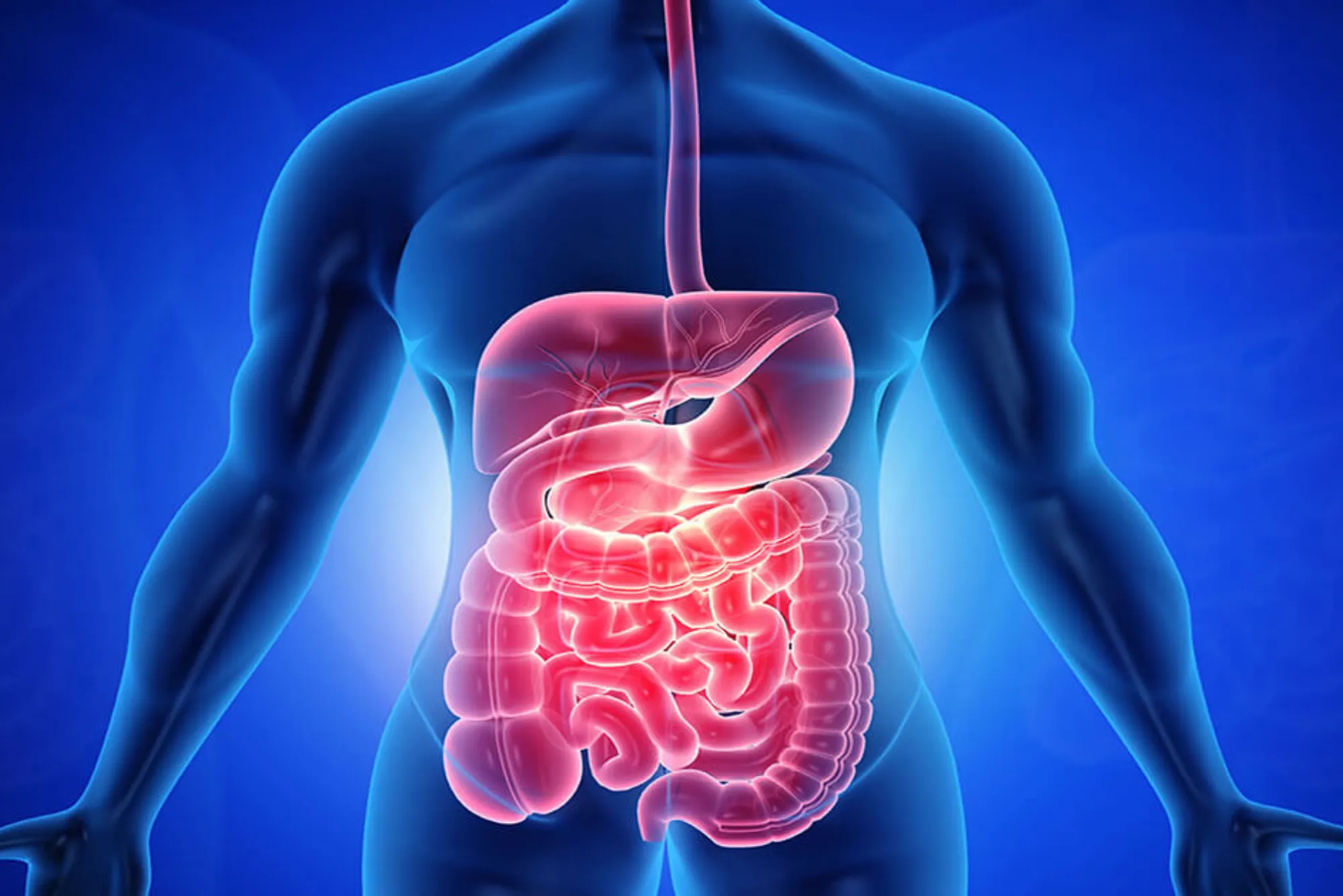
The pancreas sits near the stomach and small intestine, producing enzymes that digest fat, carbohydrates, and proteins. Normally, these enzymes remain inactive until they reach the small intestine. In a dog suffering from acute pancreatitis, these enzymes activate prematurely within the pancreas. This process causes severe localized tissue inflammation, agonizing pain, and systemic swelling.
While any dog can develop pancreatitis, several risk factors increase susceptibility. Genetics play a significant role, with breeds like Miniature Schnauzers, Yorkshire Terriers, and Cocker Spaniels having higher baseline risk. Obesity, metabolic disorders like Cushing’s disease or diabetes, and certain medications can also trigger inflammation. However, dietary indiscretion remains the primary catalyst for acute attacks in everyday household dogs.
Recognizing Canine Pancreatitis Emergency Symptoms: High-Fat Food Dangers and Low-Fat Recovery Diet Warning Signs
Identifying emergency warning signs quickly allows you to seek veterinary medical attention before severe dehydration or shock sets in. Dogs experiencing acute pancreatitis show distinct clinical signs that indicate extreme abdominal suffering.
Persistent severe vomiting is often the first visible symptom. This is frequently accompanied by profuse diarrhea, which may contain fresh red blood or dark digested blood. Affected dogs experience intense abdominal pain, often assuming a characteristic prayer position where their front quarters are lowered to the floor while their rear end remains elevated in an effort to relieve tension on the pancreas.

In severe cases, dogs experience high fever, extreme lethargy, rapid shallow breathing, and total refusal to touch food or water. Dehydration develops quickly, leading to sunken eyes, dry pale gums, and poor skin elasticity. If you notice a combination of these signs after your dog consumes a greasy meal, seek emergency veterinary care immediately.
High-Fat Food Dangers as the Primary Trigger
High-fat food ingestion is the single most common dietary trigger for acute canine pancreatitis. Fatty meals cause a massive surge in the digestive hormones that stimulate the pancreas. Forced to produce an abnormally large volume of digestive juices rapidly, the pancreas becomes overworked and hyperactive.
Table scraps, bacon grease, fried meats, butter, cheese, and fatty cuts of beef or pork are particularly hazardous. Holiday periods often see a drastic rise in pancreatitis cases because pets frequently secure access to rich trash, turkey skin, or gravy. Even single high-fat treats can trigger a life-threatening crisis in sensitive or predisposed dogs.
Chronic high-fat commercial diets can also cause subtle, low-grade inflammation that eventually culminates in a major acute breakdown. Maintaining tight control over total dietary fat intake remains the most effective defense against recurrent attacks.
Diagnostic Procedures and Emergency Veterinary Care
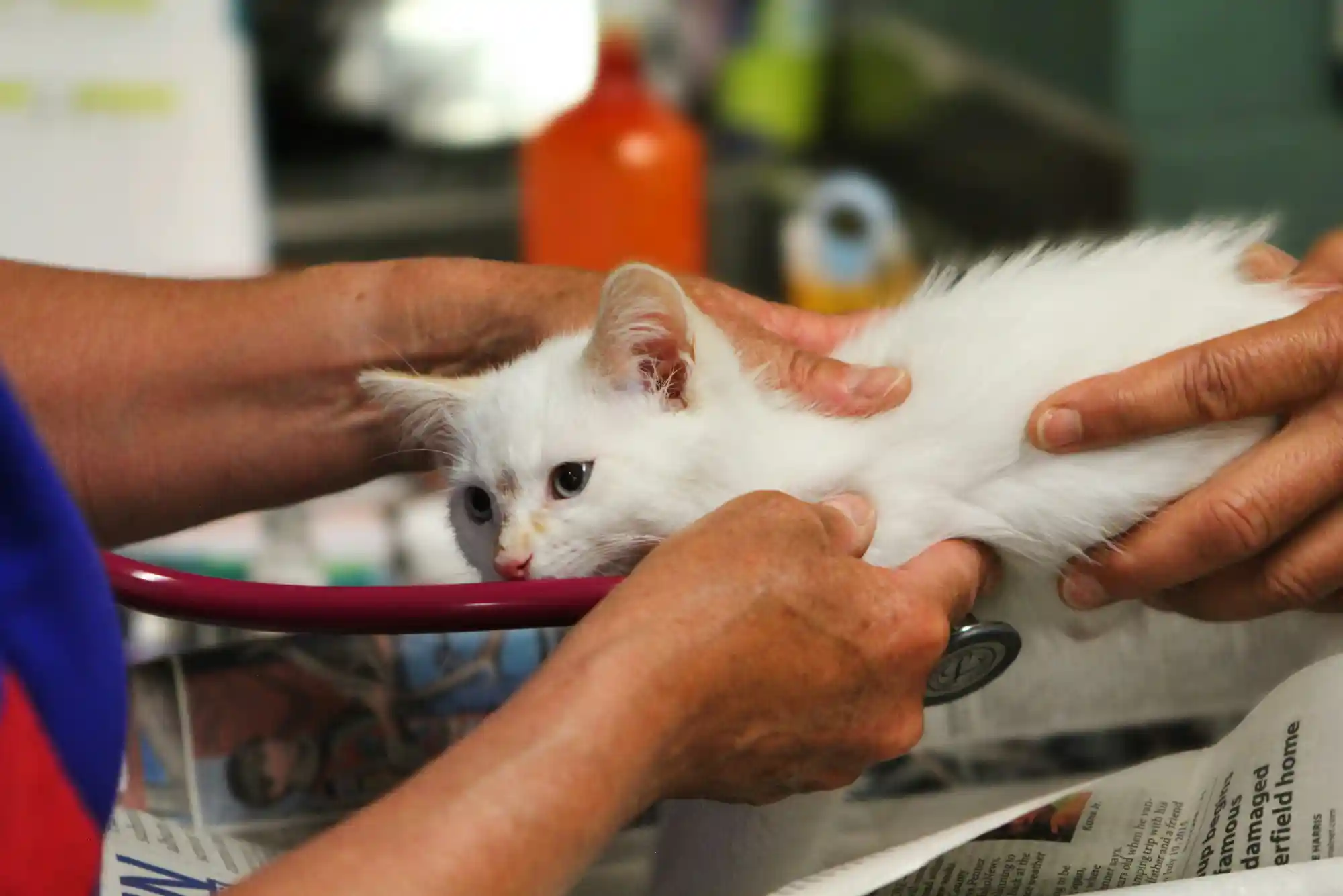
When you bring a dog exhibiting emergency symptoms to a veterinary clinic, the clinical team works quickly to confirm the diagnosis and stabilize the patient. Diagnosing pancreatitis requires a combination of physical examination, specialized blood tests, and medical imaging.
Veterinarians run blood work including a specific test called Canine Pancreatic Lipase Immunoreactivity (cPLI) to assess enzyme elevation. Abdominal ultrasound imaging helps visualize pancreatic swelling, fluid accumulation, and potential intestinal blockages. Standard routine blood panels also check kidney function, liver values, and electrolyte balances affected by severe vomiting.
Emergency treatment relies heavily on aggressive supportive care. Because there is no single magic drug to reverse pancreatic inflammation instantly, treatment focuses on restoring hydration and controlling pain. Intravenous fluid therapy replaces lost fluids, balances electrolytes, and maintains critical blood flow to the inflamed organ. Injectable pain medications, powerful anti-nausea drugs, and stomach protectants are administered around the clock until the acute crisis resolves.
Implementing a Low-Fat Recovery Diet for Dog Health
Once your veterinarian stabilizes your dog and vomiting subsides, introducing an appropriate low-fat recovery diet is vital. Diet management plays the central role in preventing secondary flare-ups during the sensitive healing window.
During the immediate post-acute phase, vets usually recommend a highly digestible prescription diet containing less than 10% fat on a dry-matter basis. If commercial prescription diets are unavailable or unsuitable, a home-cooked bland diet of boiled plain chicken breast and boiled white rice offers a temporary gentle alternative. Feed small, frequent meals throughout the day rather than one or two large feedings to avoid overstimulating the digestive tract.
As your dog recovers over several weeks, you must maintain strict fat restrictions. Transitioning back to standard commercial kibble prematurely can trigger a devastating relapse. High-fiber ingredients can also assist by regulating nutrient absorption and supporting healthy intestinal motility.
Preventative Strategies and Long-Term Management
Preventing future episodes requires lifelong vigilance and commitment to strict dietary discipline from everyone in your household. Educating family members, guests, and pet sitters about the severe danger of feeding table scraps is imperative.
Store household trash cans in secure cabinets or use pet-proof locking lids to eliminate scavenging opportunities. When selecting commercial dog foods for long-term feeding, carefully analyze guaranteed nutrient levels, focusing on formulas specifically formulated with low fat guarantees. Avoid fatty treats, rawhide chews, and pig ears entirely, replacing them with healthy low-fat snacks like fresh cucumber slices, plain baby carrots, or air-puffed rice treats.
Schedule routine veterinary checkups to monitor blood values and maintain an ideal body condition score. Weight management significantly reduces systemic strain, lowering the overall likelihood of recurrent pancreatic inflammation.
Frequently Asked Questions About Canine Pancreatitis
How long does it take a dog to recover from acute pancreatitis?
Recovery time varies depending on severe clinical presentation. Mild cases often resolve within three to five days of supportive care, whereas severe acute cases requiring hospitalization may take several weeks of intensive therapy and strict dietary management.
Can a dog fully recover from pancreatitis?
Yes, dogs can fully recover from an isolated acute attack if treated promptly. However, damaged pancreatic tissue can form scar tissue, leaving the dog permanently vulnerable to chronic pancreatitis or secondary conditions like diabetes mellitus and exocrine pancreatic insufficiency.
What foods are safe for dogs recovering from pancreatitis?
Safe recovery foods include prescription low-fat diets, boiled skinless chicken breast, boiled turkey breast, plain white rice, canned pumpkin, and boiled sweet potatoes without added oils or seasonings. Always consult your veterinarian before altering a recovering dog’s diet.
Is pancreatitis in dogs always a medical emergency?
Acute pancreatitis should always be treated as a potential medical emergency due to the risk of rapid dehydration, systemic inflammatory response syndrome, and organ failure. Prompt medical treatment significantly improves overall prognosis and survival rates.
Conclusion
Recognizing Canine Pancreatitis Emergency Symptoms: High-Fat Food Dangers and Low-Fat Recovery Diet guidelines empowers dog owners to protect their pets effectively. High-fat treats and dietary indiscretion pose serious threats, but early symptom recognition and strict dietary intervention save lives. If your dog exhibits signs of abdominal pain, persistent vomiting, or extreme lethargy, contact your emergency veterinarian immediately. Protect your pet’s long-term health today by evaluating their diet, removing high-fat treats, and scheduling a wellness consultation with your veterinarian.